
Photo: Marc Ryckaert (MJJR) · CC BY 3.0
The Meloneras promenade
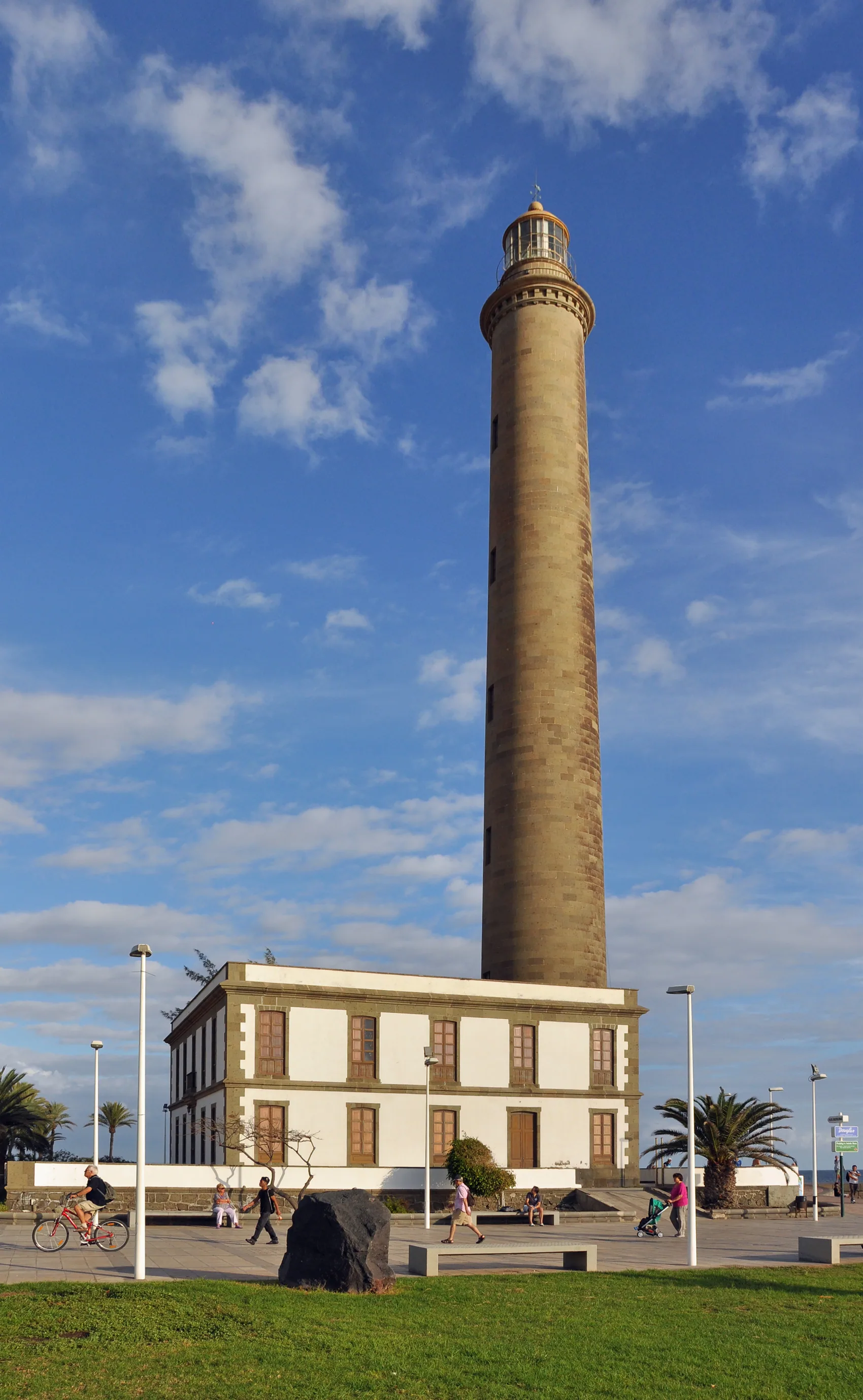
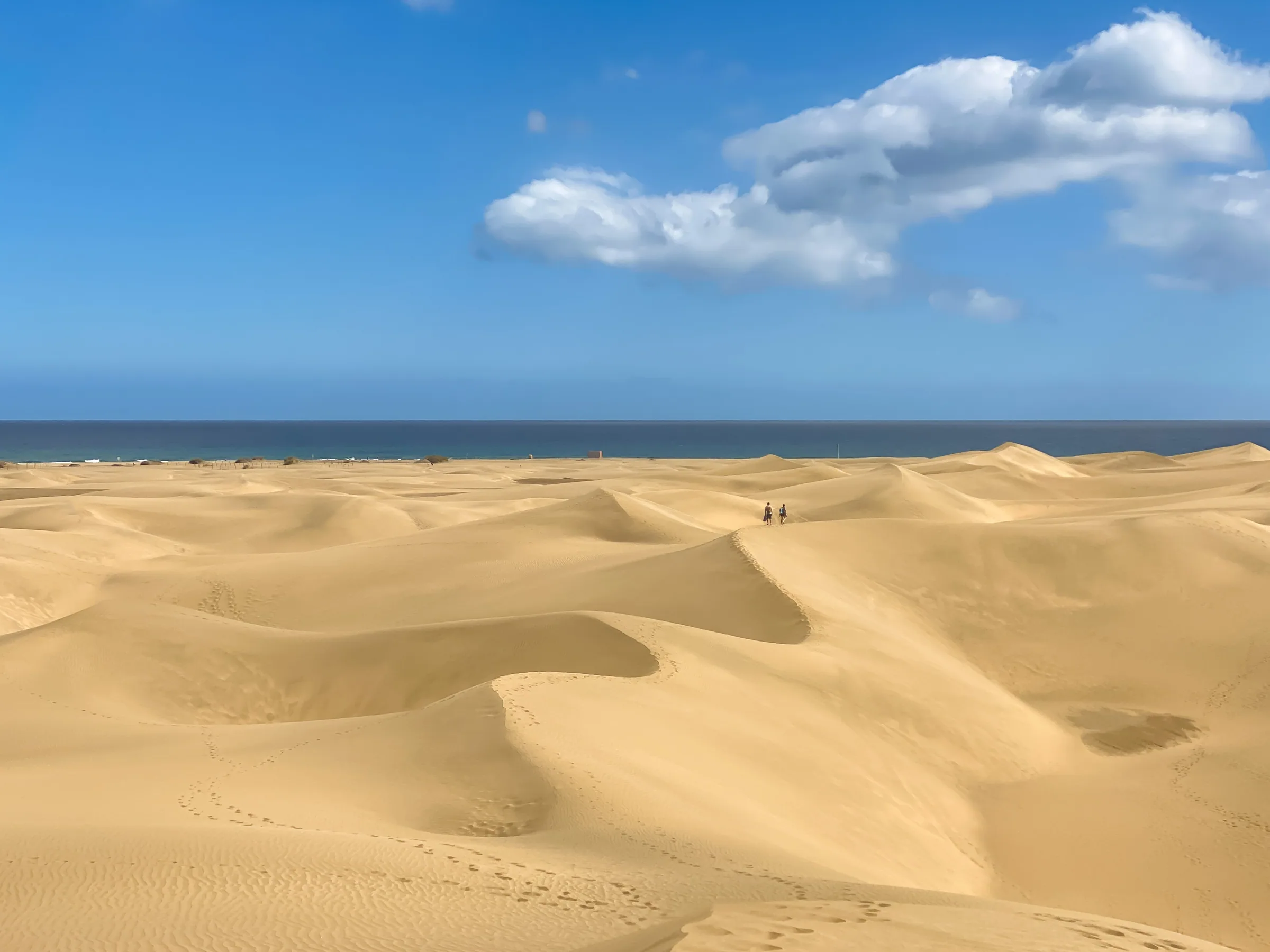
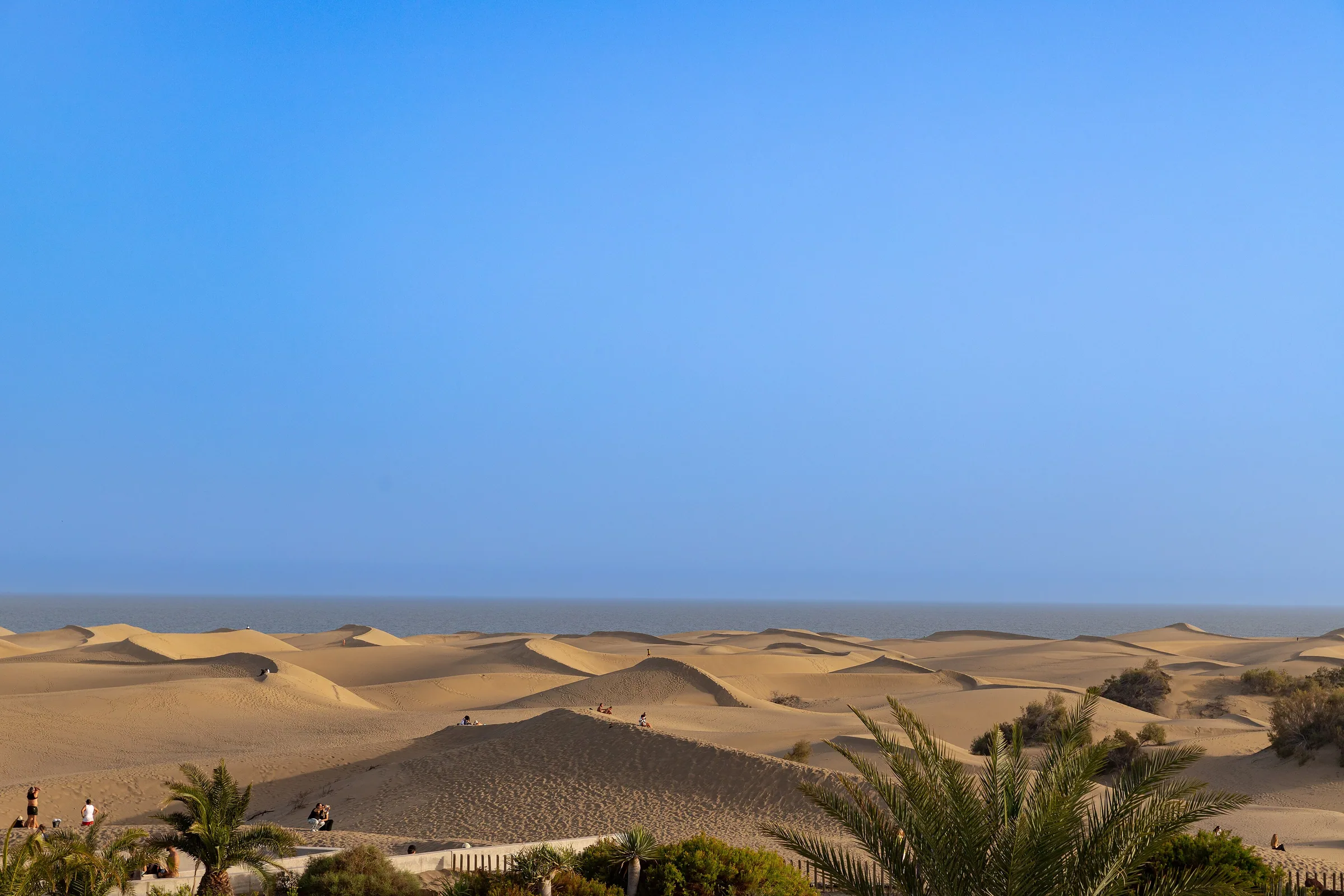
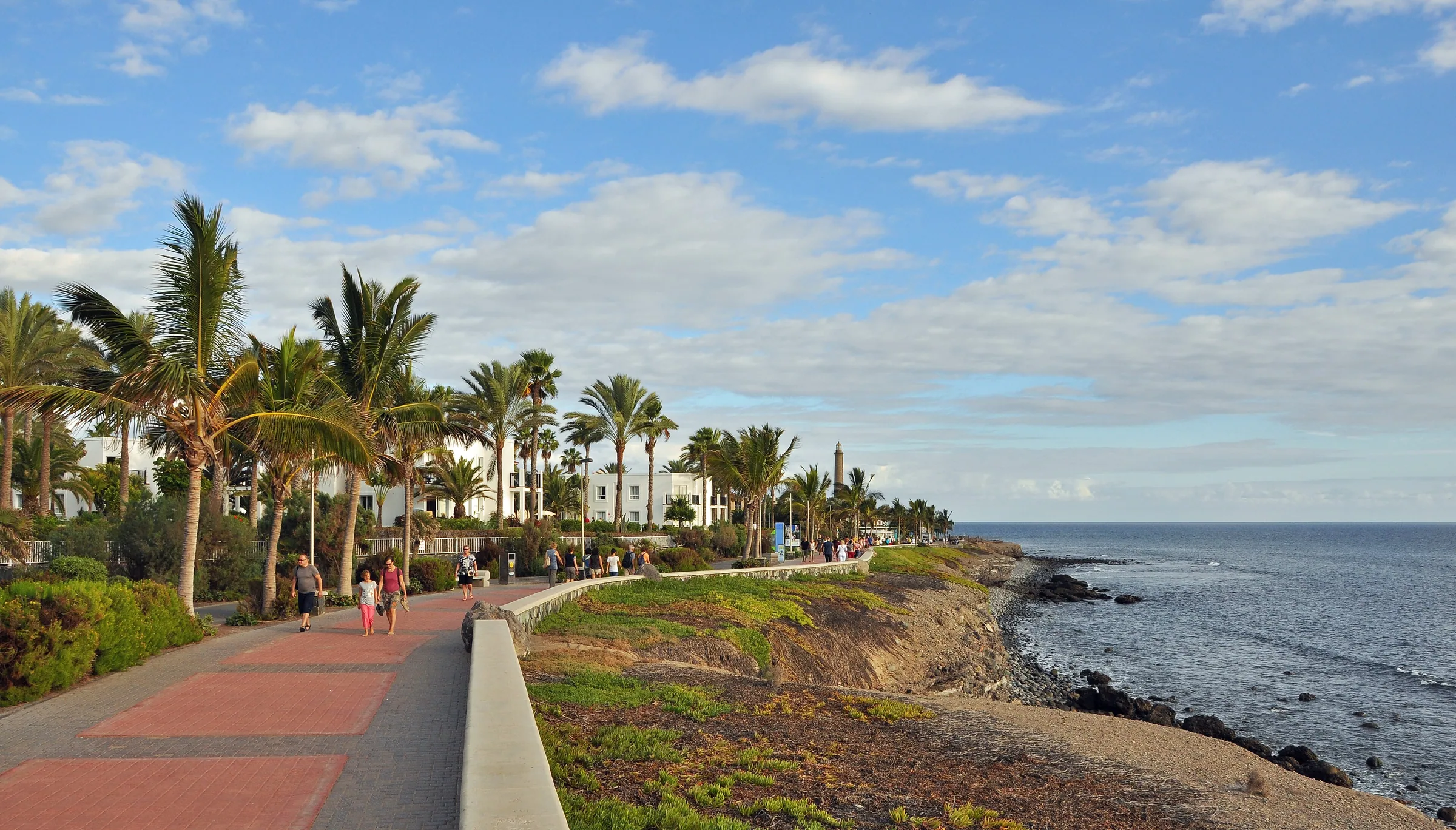
The promenade starts at the Plaza del Faro and follows the coast west to Meloneras beach. It is the area's favourite route for a walk or a run at sunset, with telescopes trained on the sea and rod fishermen on the rocks in front of the lighthouse. The Boulevard El Faro takes up much of the walk with restaurants, cafés and shops, and behind it stands the Maspalomas conference centre, ExpoMeloneras, with 14,000 square metres for congresses, concerts and fashion shows. Further on come the big hotels of the avenue, spas and the 18-hole Meloneras Golf course, looking out to sea and across to the dunes.
Punta Mujeres: the village on the promenade
About 150 metres west of the lighthouse, on the edge of the low cliff opposite the Boulevard, stand the six domestic structures of Punta Mujeres, a coastal settlement of the ancient Canarians excavated in 2000 and 2001. Radiocarbon dating places the occupation between the 7th and 9th centuries, possibly running to the end of the 15th, when the conquest arrived. Structure 6, at the northern end, is nearly circular outside with a rectangular room within, and yielded plenty of stone tools, pottery and the remains of marine and land animals. The spot was chosen for what lay beside it: the water of the Charca, the birds and the shellfish. In the 20th century tomato fields and the track to the lighthouse damaged it; today it is restored, open-air, with renewed panels, and visible from the promenade itself.
The beach, and when to go
Meloneras beach is a cove of golden sand and calm water wrapped by the promenade, with sunbeds, showers and restaurants to hand; at high tide many rocks lie submerged, so swim with care, and at low tide the sand links it to Maspalomas beach. Meloneras' hour is sunset: the sun sets in front of the promenade and the terraces fill up. Book ahead if you want dinner with a view during festival week.
Tips
- Punta Mujeres is an archaeological site, not a viewpoint: look from the promenade and keep off the walls.
- At low tide you can return to the lighthouse along the sand; at high tide, use the promenade.
- Rocks lie submerged at high tide: enter the water carefully.
- Bring water and a hat for the walk, especially at midday.