Skip to content

Discover the islandLGBTQ+ beach · Playa de Maspalomas

Kiosk 7, "El Siete"

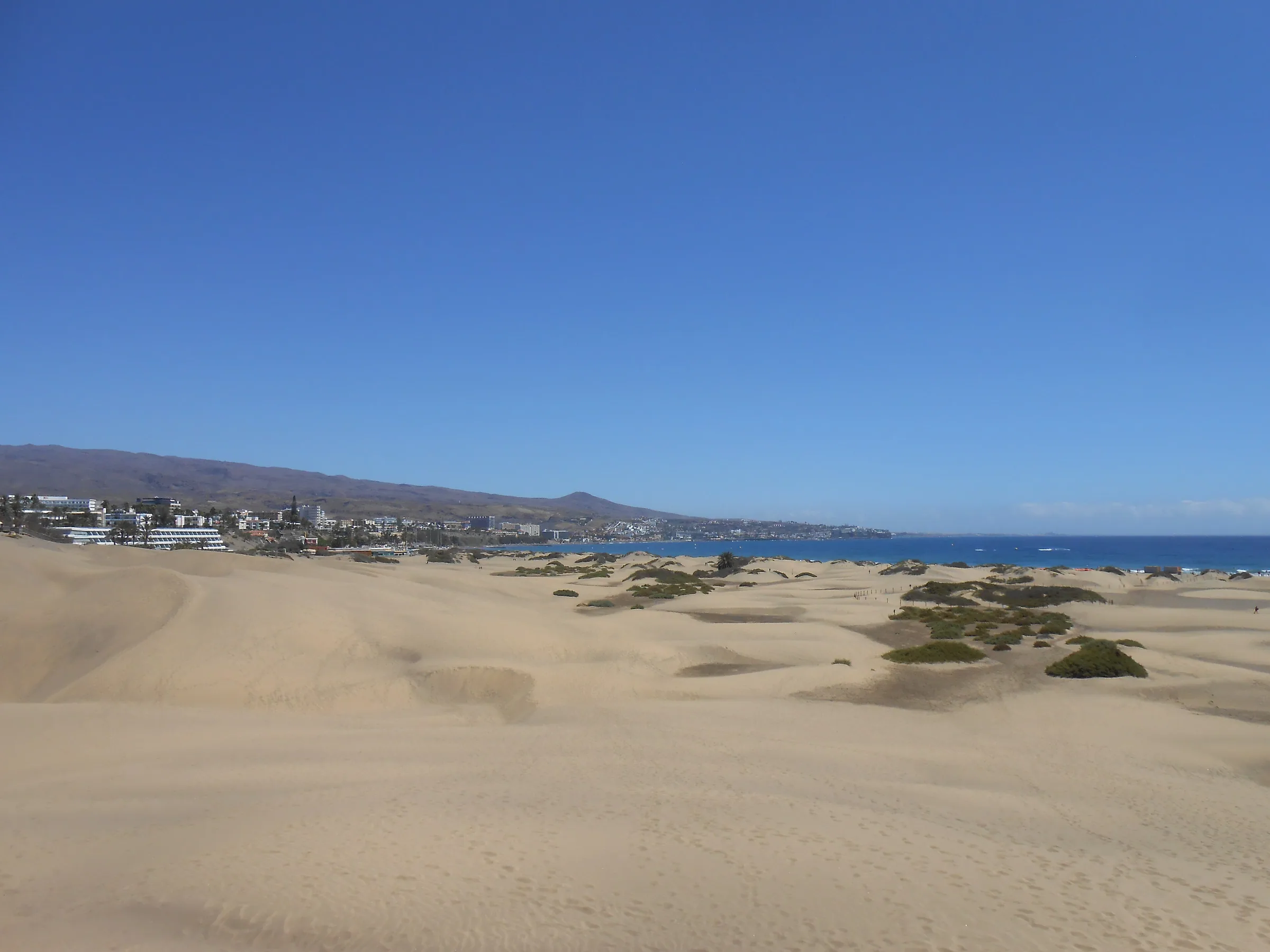
Kiosk number 7 on Maspalomas beach is the traditional meeting point of the LGBTQ+ community: a simple beach bar on the sand, between the ocean and the dunes. The Canary Islands tourist board calls this the LGBT beach par excellence. It is a public beach, nudism is customary along this stretch, and the only rule is the usual one: respect, for people and for the reserve.

Kiosk 7, "El Siete"
Photo: Handelsgeselschaft · CC BY-SA 4.0

What it is, and what it is not

The kiosks on Maspalomas beach are numbered seasonal bars with public toilets, spread along the almost three kilometres of sand between the lighthouse and Punta de Maspalomas. Number 7 is the one the community has made its own: LGBTQ+ people from half of Europe gather around it, above all during Pride week. It is not a private venue or a festival site: it is a stretch of public beach, open to everyone, where nudism is the norm rather than the exception. Towels go on the sand between the kiosk and the water; the dunes at your back are a nature reserve and are not part of the beach.

House rules

The sand belongs to everyone, so the usual beach manners apply: ask before you photograph anyone, respect the space of the towels next to you and take home what you bring, because the wind carries litter straight into the reserve. The Cabildo's good-practice leaflet is explicit: sunbathing, resting and nudism belong on the beach, not inside the dunes, where staying put, camping and having sex are all forbidden.

When to go

Mornings are quiet and the sea is usually calmer; in the afternoon the mood lifts, people drift down from the hotels and the light on the dunes is the best of the day. In May the sun is strong even when the trade wind blows: sunscreen, water and some shade. If you stay for sunset, bring plenty of water.

Tips

  • Wear trainers or sandals for the walk: midday sand burns.
  • Nudity yes, photos no: ask before you take out your phone.
  • Do not cut across the dunes to save time: it is the most fragile part of the reserve and it is forbidden.
  • The kiosks have public toilets; showers and sunbed and parasol hire are mostly on the lighthouse side.
Nearby

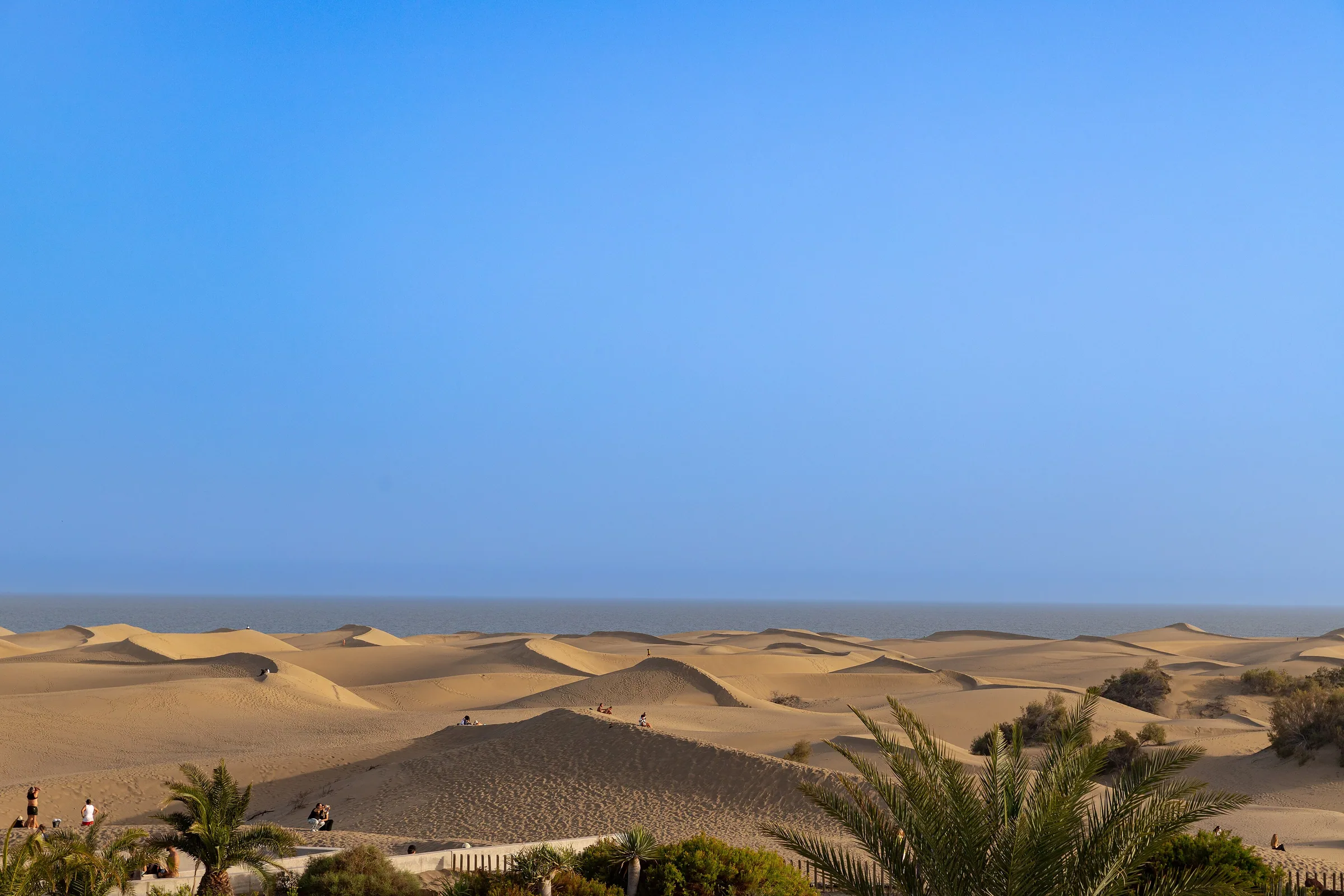
  • Maspalomas Dunes
    Photo: dronepicr · CC BY 2.0

    Special Nature Reserve

    Maspalomas Dunes

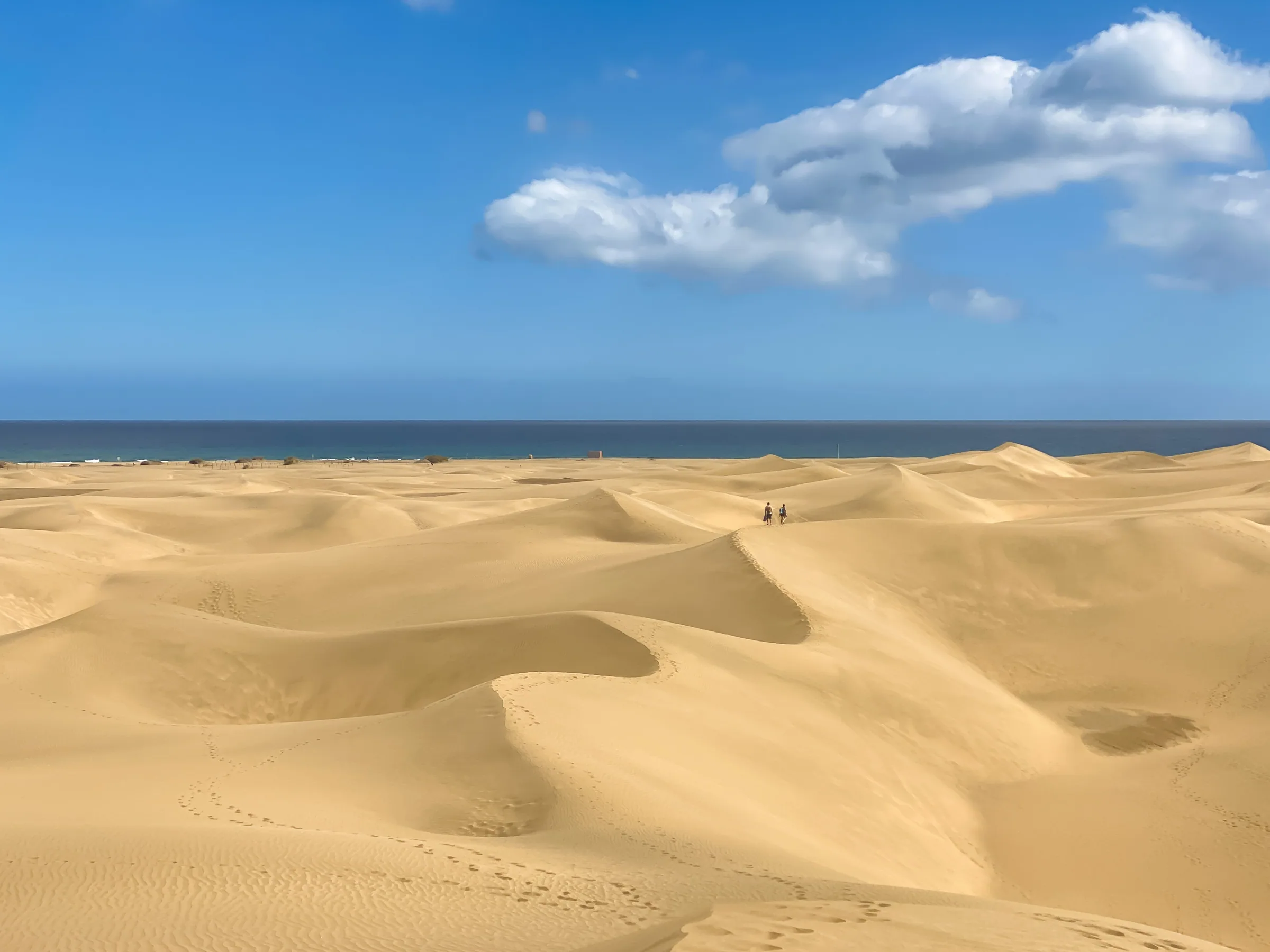
    A living field of sand, roughly 400 hectares between Playa del Inglés and the lighthouse: dunes the wind reshapes daily, a palm grove and a brackish lagoon where birds rest. It is a Special Nature Reserve and the backdrop to the whole festival. Walk it on the marked trails and along the shore; the moving dunes themselves are off limits.

  • Maspalomas Beach
    Photo: dronepicr · CC BY 2.0

    Natural beach · 2.7 km from the lighthouse to the Punta

    Maspalomas Beach

    From the lighthouse to Punta de Maspalomas, 2.7 kilometres of golden sand with the dunes at your back and, just behind the shoreline, the Charca: a brackish lagoon that is Gran Canaria's most important wetland and a stopover for migrating birds. A wide, open beach with numbered kiosks, a naturist stretch and kiosk 7 as the LGBTQ+ meeting point.

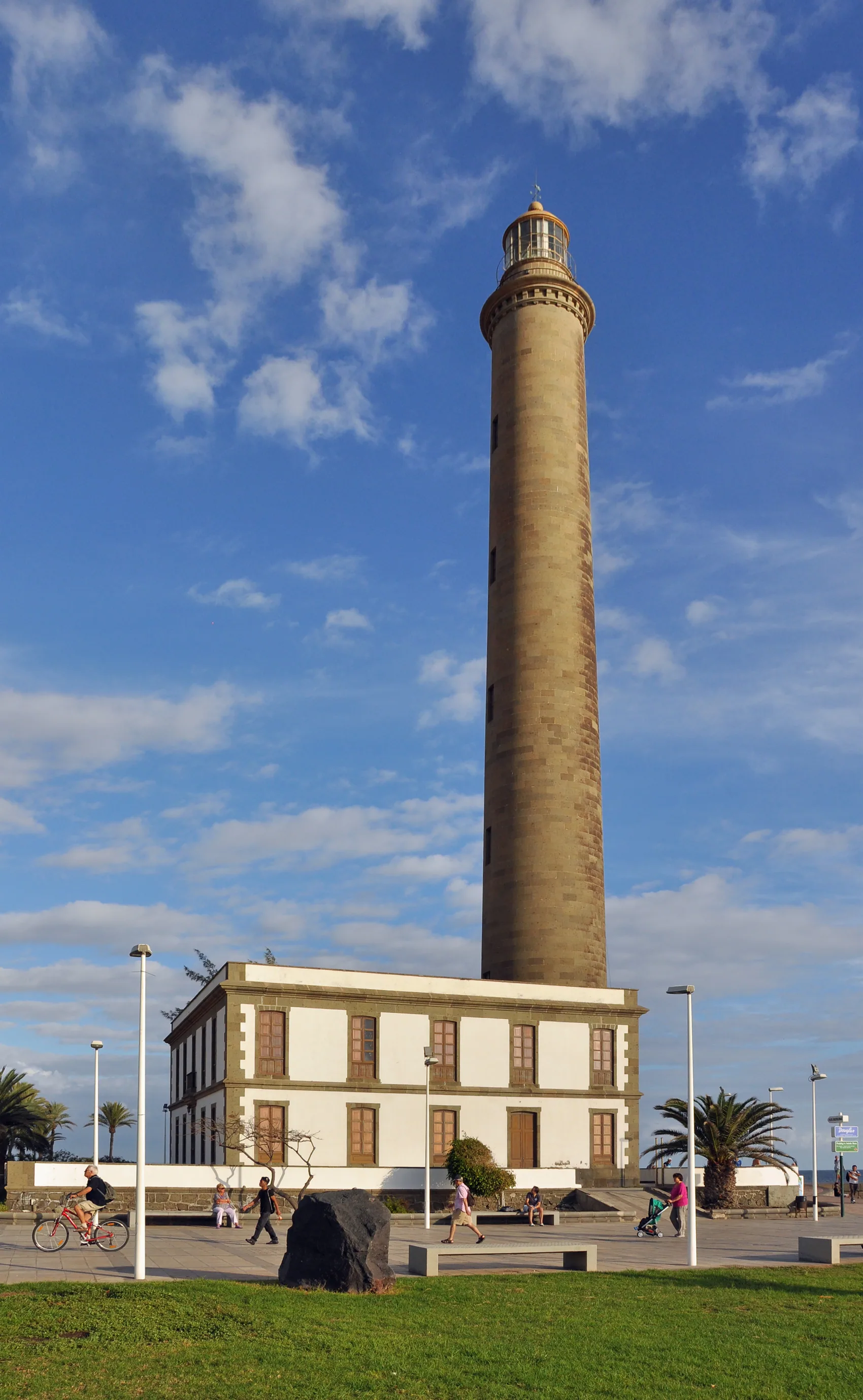
  • Maspalomas Lighthouse
    Photo: Marc Ryckaert (MJJR) · CC BY 3.0

    Historic lighthouse · listed monument

    Maspalomas Lighthouse

    A tower of blue-grey ashlar almost 55 metres tall, marking the southern tip of Gran Canaria since 1 February 1890. Designed by the Telde-born engineer Juan de León y Castillo, it is still a working light, and the keepers' house at its base now holds an ethnographic centre and a tourist office. It is the hinge between Maspalomas beach and the Meloneras promenade.

Back to the guide
Sources