
The Dedo de Dios and the cliffs
Opposite the harbour, a basalt stack that erosion had carved into a hand with its index finger raised became a symbol of the island: the Dedo de Dios, or Roque Partido. In November 2005 the gales of tropical storm Delta brought down its upper part, some twenty metres, and a panel of experts advised against rebuilding it. Today it is remembered by Pepe Dámaso's monument at the entrance to the town. Behind rises the Tamadaba massif, with the largest pine forest on Gran Canaria and a summit of 1,180 metres, its cliffs dropping sheer into the sea.
The harbour
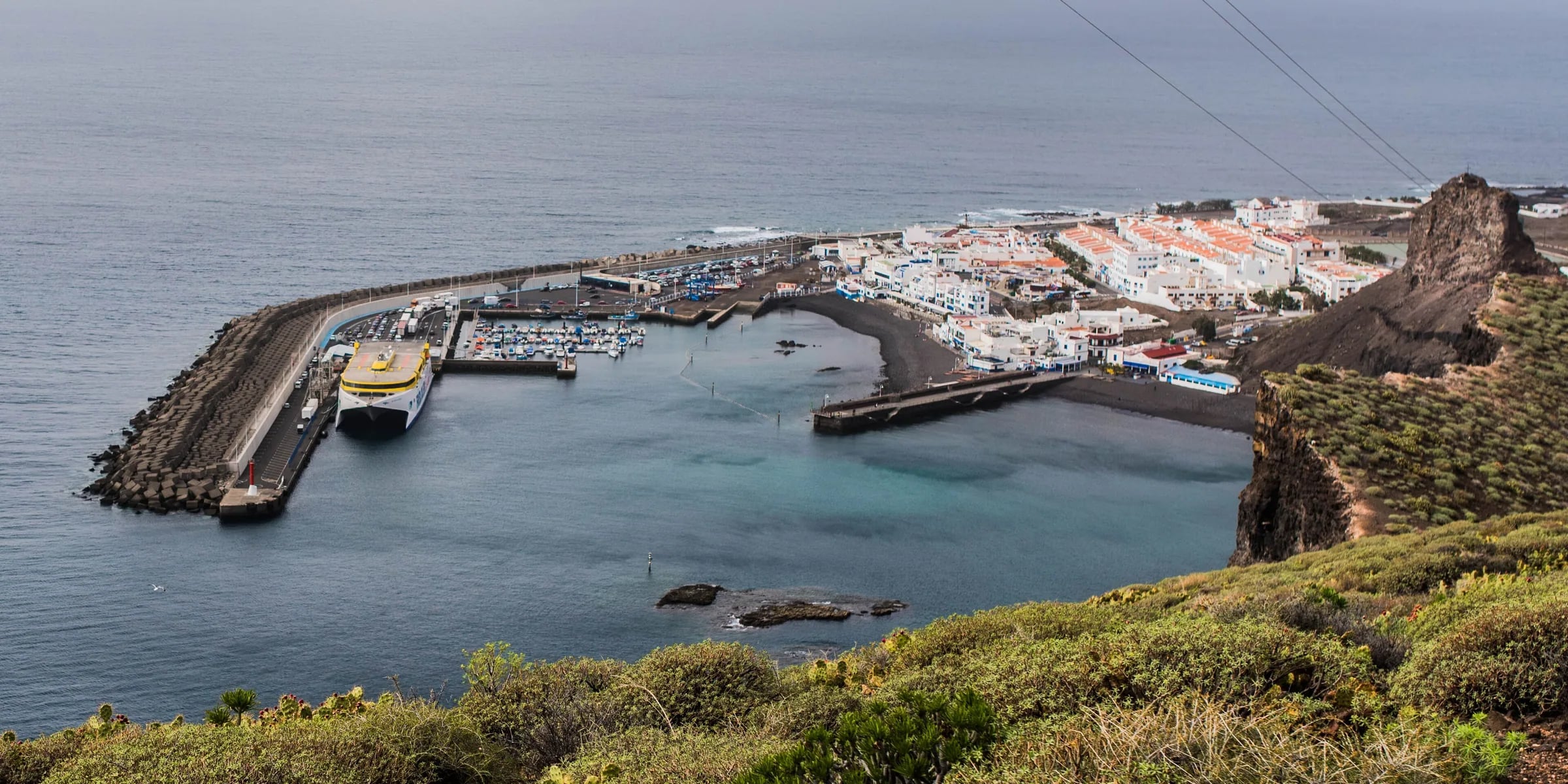
Puerto de las Nieves is a seafaring quarter with a pebble beach and calm water, a promenade lined with fish restaurants and the Ermita de las Nieves, a sixteenth-century chapel built with sugar-cane money and listed as a Bien de Interés Cultural; the Flemish triptych attributed to Joos van Cleve, the municipality's great treasure, was painted for it. At the end of the Paseo de los Poetas, at Punta Turmán, the salt pans worked until the 1960s are now three linked natural pools, Las Salinas. From the new pier, Fred. Olsen Express fast ferries sail to Santa Cruz de Tenerife, a crossing of about 80 minutes, with Mount Teide in view on clear days.
The town and the valley
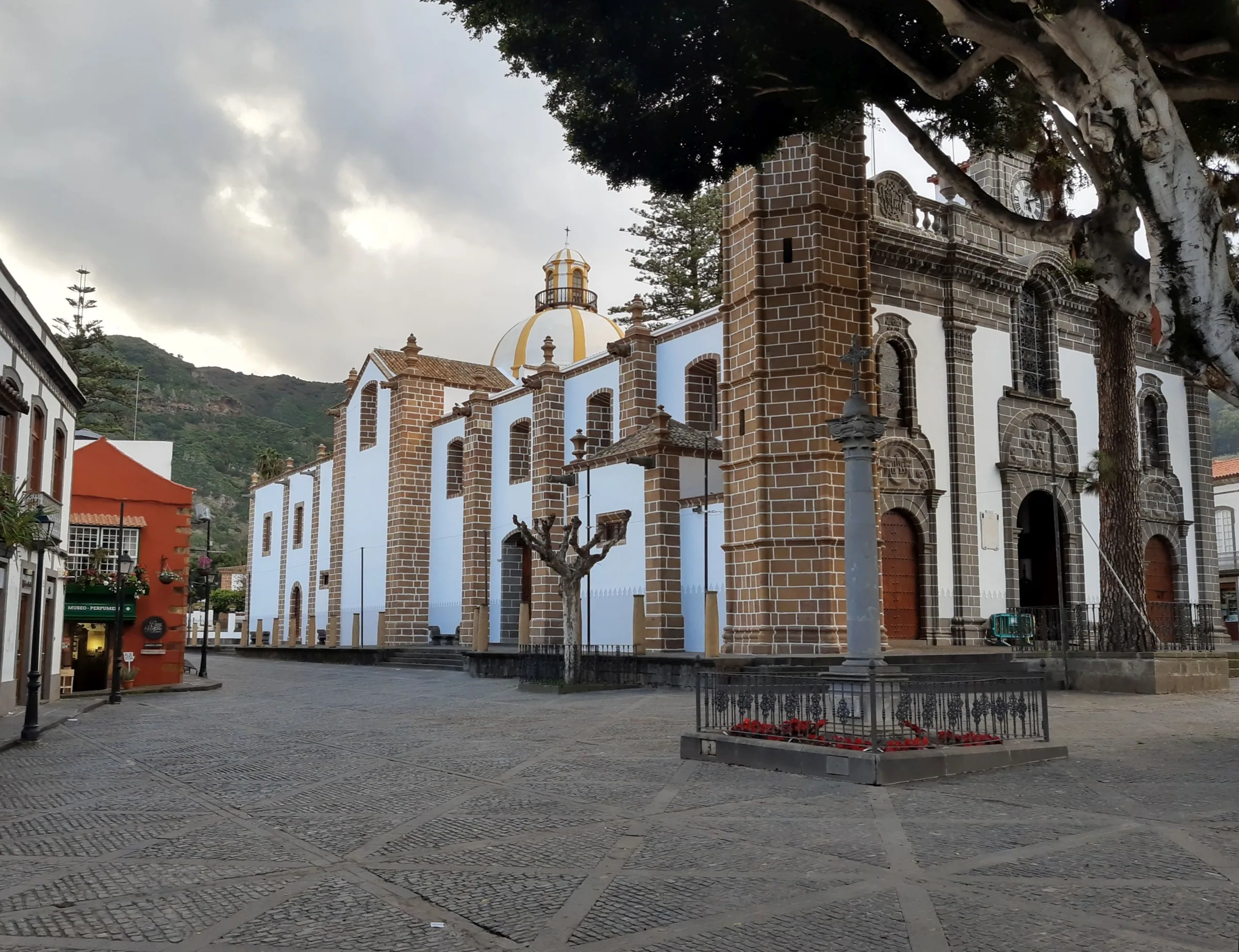
Inland, the town of Agaete keeps the Huerto de las Flores, a garden of species brought from Australia, New Zealand, Malaysia, South Africa and South America where the poet Tomás Morales wrote and met Alonso Quesada and Saulo Torón; the Iglesia de la Concepción, from 1784; and the Maipés archaeological park, a pre-Hispanic necropolis of burial mounds on a field of volcanic rubble. Up the valley grow oranges, tropical fruit and coffee: Agaete is the last town in the Canaries still growing it, the Arabica Typica variety, on one of the few registered coffee plantations in Europe. Estates such as La Laja offer tastings.
When to go
Any day of the year works for the harbour. The town changes its skin on 4 August with the Bajada de la Rama, a festival of National Tourist Interest since 1972: from dawn, thousands dance down the streets waving branches to the town bands as far as the sanctuary of the Virgen de las Nieves, whose feast day is the 5th. El Valle holds its own Rama on 28 June.
Tips
- Swim at Las Salinas only when the sea is calm; with swell the pools stop being safe.
- If you cross to Tenerife with a car, book the ferry ahead.
- Try the valley's coffee at an estate or in the town's bars: little is produced and it is not found just anywhere.
- The catch of the day is eaten on the harbour promenade; the fishermen's guild serves it too.
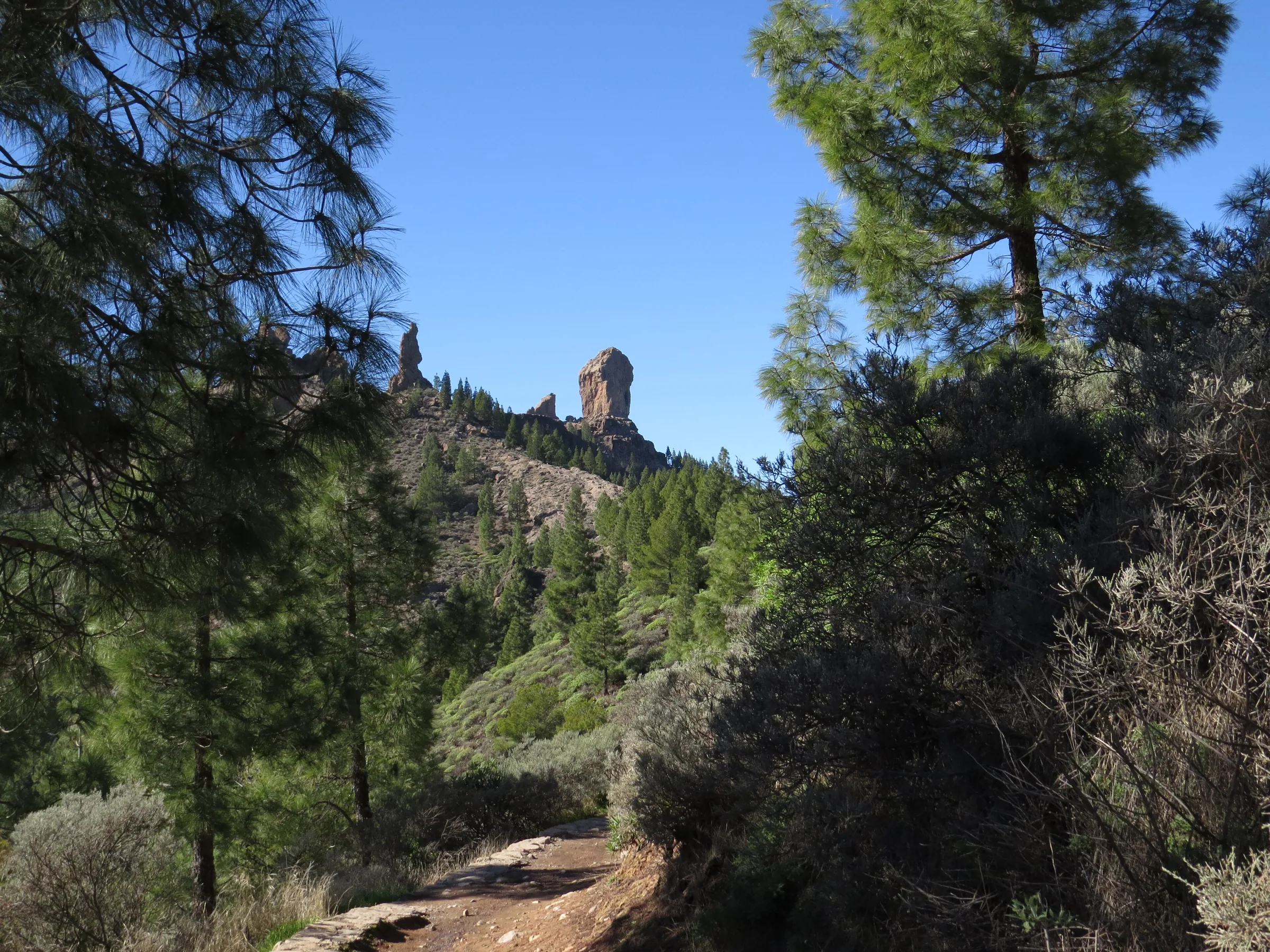
- Pair it with Roque Nublo for a full day by car across the summit: that is the "Wild Island" route.